Educational Programs
Programs offered by the LAU Clinical Simulation Center are dedicated to providing aspiring doctors, nurses and pharmacists with new, hands-on interactive training opportunities aimed at better developing all technical and non-technical skills used in healthcare provision.
The Clinical Simulation Center offers a wide range of educational programs and/or activities using simulated patients (SPs), part-task trainers, mannequins, and AI-based teaching tools. Through customization and tailoring, we offer educational activities that not only address learning needs of cohorts, but also of individuals.
Clinical Simulation Sessions
Our interactive, simulation-based activities can be used as teaching/training tools with healthcare providers (HCPs) and members of local communities. Every activity is developed based on learner needs, intended learning outcomes (ILOs), cohort number, and familiarity with simulation training.
To better assist, the Simulation Center will offer recommendations as to the best-fit simulation tool(s) ranging from SPs, mannequins, AI-based platforms and immersive environments.
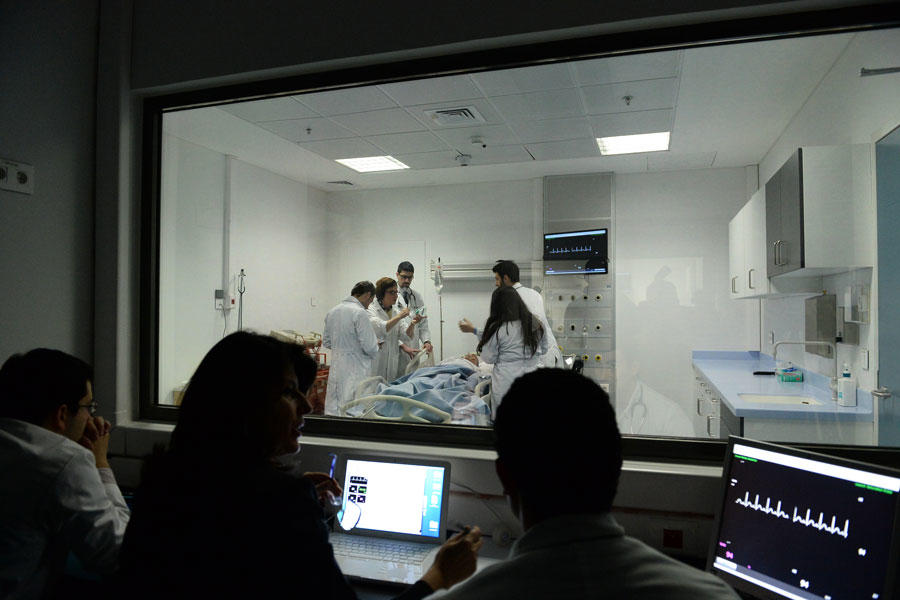
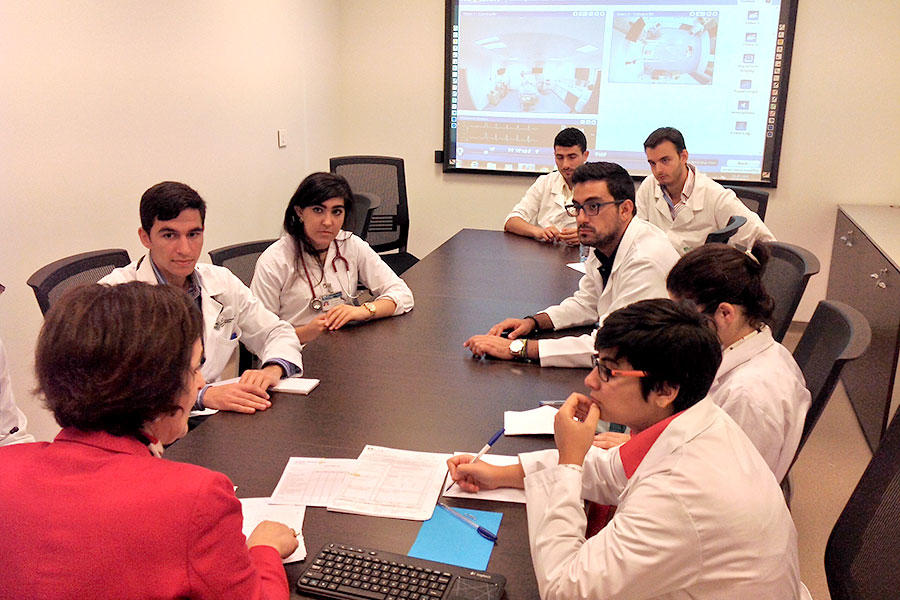
Most simulation activities offered at the LAU Simulation Center follow a structured design consisting of three main phases:
Pre-work / Preparation
Participants complete preparatory activities before the simulation. This may include readings, videos, or reviewing objectives to ensure they have the foundational knowledge needed.Simulation Implementation
Participants engage in the simulated scenario, applying their knowledge and skills in a controlled, realistic environment.Debriefing Session
After the simulation, participants take part in a guided debriefing. This is a reflective learning experience where they:Review their actions and decisions
Discuss what went well and what could be improved
Receive feedback from the facilitator
Connect the experience to real-world practice
Simulated Patient (SP) Programs
Clinical simulation often involves the use of “simulated patients” (SP), who are healthy people trained to portray the personal history, physical symptoms, emotional characteristics and everyday concerns of actual patients.
The use of SP is a dynamic educational tool adopted in a variety of settings such as interactive teaching environments, group demonstrations and clinical examinations. An SP is trained to provide constructive feedback from the patient’s unique perspective to learners in all training levels.
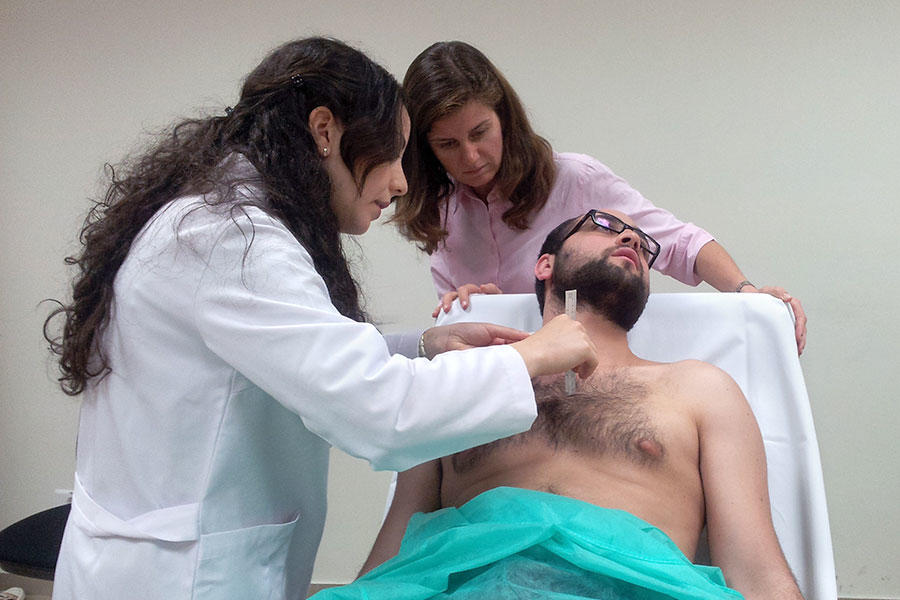
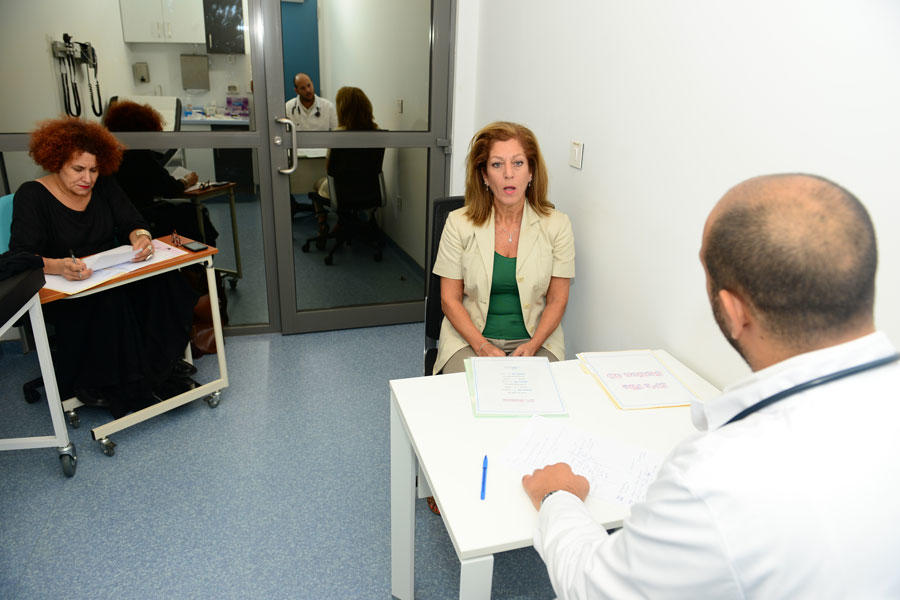
Today, the LAU-CSC has a pool of more than 45, well-trained SPs from both genders, and ranging from 19 to 68 years of age. After initial casting, all selected SPs receive a number of training sessions to better ensure inter-performer standardization with regards to performance, learner assessment, and provision of feedback.
Prior to any simulation activity, each SP is required to complete two activity-specific training sessions. First, a faculty member from the medical field trains them on the health conditions they will depict. Second, a drama faculty member from LAU’s School of Arts and Sciences coaches them on realistically portraying the medical conditions they are about to exhibit.
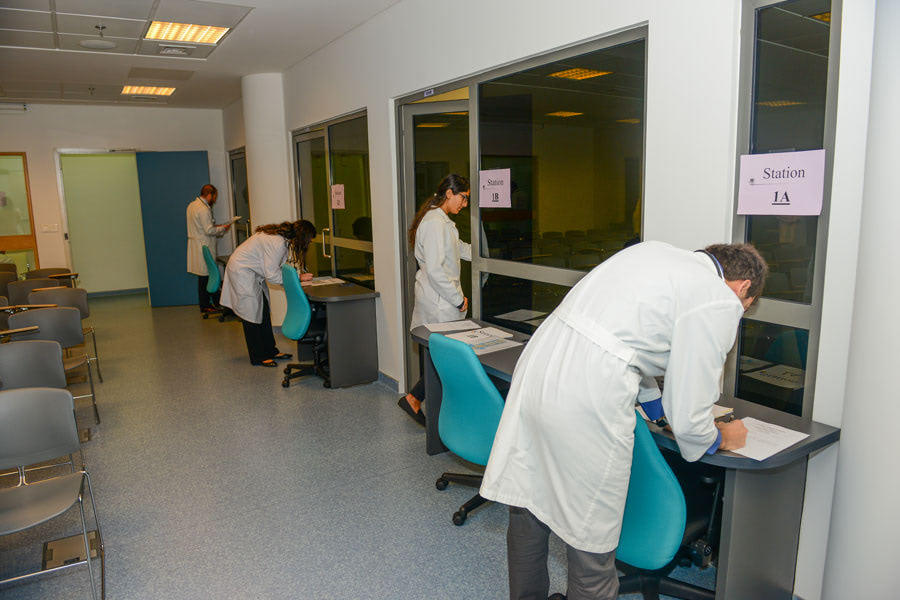
SPs also participate in a special type of student evaluation called Objective Structured Clinical Examination (OSCE). The OSCE is a performance- based examination in which examinees are observed and scored as they rotate around a series of stations according to a set plan or a map.
Each station focuses on an element of clinical competence and the learner’s performance with a real patient, an SP, a manikin or virtual patient investigations are assessed by an examiner.
The OSCE has been widely adopted as the recommended approach to the assessment of clinical competence in different phases of education, in different specialties and in different areas of the world. It has been recognized as the gold standard for performance assessment and its impact on medical education has been tremendous.